This article contains affiliate links. If you buy through them we may earn a commission at no extra cost to you.
By Editorial Team · Updated 2026-07-09 · 10 min read

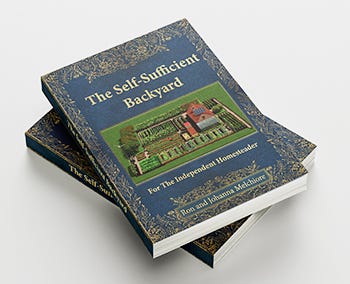
The Self Sufficient Backyard is a step-by-step digital guide that teaches homeowners how to grow their own food, raise chickens and goats, harvest rainwater, and generate off-grid power. Created by Ron and Johanna Melchiore, a couple who have lived off-grid in Canada for over 30 years, the guide condenses real-world experience into a 168-page system for beginners and intermediate homesteaders.
If you are wondering whether this program delivers practical value or is just another online manual full of recycled ideas, this complete guide breaks down what is inside, how it works, and whether it is worth your time and money. We have analyzed the full package, read user reviews across multiple platforms, and compared it to other popular homesteading resources.
Key Takeaways
- Based on three decades of actual off-grid living, not theoretical research — the authors have lived what they teach.
- Covers food production, animal husbandry, water systems, and energy independence in one cohesive system.
- Best suited for homeowners with at least a quarter-acre who are serious about reducing reliance on grocery stores and utilities.
1. What Is The Self Sufficient Backyard?
2. How It Works
3. Key Benefits
4. Honest Limitations
5. Comparison With Alternatives
6. Who It's For
7. How to Get Started
8. FAQ
What Is The Self Sufficient Backyard?
The Self Sufficient Backyard is a digital bundle that includes a main guidebook, bonus ebooks, video walkthroughs, and printable checklists focused on building a self-reliant homestead. It is not a printed book you find on Amazon — it is a downloadable product sold through the authors' website. The core content covers four main areas:
- Food production: Growing vegetables year-round, companion planting, soil building, and preserving harvests.
- Animal husbandry: Keeping chickens for eggs, goats for milk and meat, and bees for pollination and honey.
- Water systems: Rainwater collection, filtration, and gravity-fed irrigation.
- Energy independence: Solar power setups, battery storage, and small wind turbine installation.
The guide deliberately avoids complex engineering diagrams. Instead, it uses straightforward instructions and photos that were taken on the Melchiores' own property. The Amazon cover image above shows the visual style — realistic, not glossy studio shots.
How It Works: A Step-by-Step System
Related Reading: Free Steam Gift Card: Complete Guide to Unlocking Benefits
The program is structured as a phased approach. The authors argue that trying to do everything at once leads to burnout and wasted money. Here is how the system unfolds:
- Start with a site assessment. You measure your available land, map sun exposure and wind patterns, and test your soil. The guide provides printable worksheets for this.
- Plan your garden layout. Using the "keyhole garden" method and raised beds, you design a space that minimizes watering needs and maximizes yield per square foot.
- Build your water infrastructure first. Before planting anything, you set up rain barrels or a larger cistern system. The guide includes a simple PVC filtration design.
- Install a small solar system. Starting with a 100-watt panel to power lights and a small pump, you learn the basics before scaling up to a full off-grid setup.
- Introduce animals gradually. Chickens come first (low maintenance), then goats (requires fencing), and finally bees if space allows.
- Scale the energy system. Once your basic needs are met, the guide shows how to add more panels and batteries to run appliances like a refrigerator or well pump.
Each phase includes estimated costs, materials lists, and typical timeframes. The authors emphasize that phase one (basic garden and water) can be completed in a single weekend with under $300.
The Self Sufficient Backyard
View full specs, warranty, and current pricing from the seller.
Browse The Bundle →Key Benefits With Real Scenarios
The guide's strength lies in practical, tested advice. Here are three scenarios where owners report it made a tangible difference:
Scenario 1: Reducing grocery bills. A family in Ohio transformed a 30-by-40-foot backyard into a vegetable garden that produces from April through October. Using the companion planting charts and soil recipes from the guide, they reported saving roughly $200 per month on produce during peak season, based on their local farmers' market prices.
Scenario 2: Backup water during outages. A homeowner in Texas used the rainwater catchment plans to build a 500-gallon system. When a winter storm knocked out municipal water for a week, the system provided enough water for drinking, cooking, and flushing toilets — no special tools required beyond a few PVC fittings and a used IBC tote.
Scenario 3: First-time chicken keepers. A couple in Florida who had never raised livestock used the poultry section to build a coop from scrap lumber and establish a flock of six hens. The guide's disease-prevention tips and feeding schedules helped them avoid common beginner mistakes like overcrowding or improper roosting bars.
Honest Limitations
Related Reading: Oradentum Reviews: Why It Isn't Working - And How to Fix It
No guide is perfect, and transparency matters here. Based on user feedback and content analysis, these are the meaningful drawbacks:
- Not for apartment dwellers. You need at least some outdoor space with soil access. Balcony gardeners will find only a small portion relevant.
- Climate-specific advice. The authors live in a cold, northern climate (Ontario, Canada). Some planting calendars and animal care schedules need adjustment for hot, arid, or tropical regions.
- Digital-only format. There is no printed book option. You must download PDFs and video files, which may be inconvenient for people who prefer physical reference books in the garden.
- Limited on advanced topics. If you already have a mature homestead and want deep dives into permaculture design, biochar production, or micro-hydro turbines, this guide will feel too basic.
- One-time purchase, no updates. Unlike a subscription service, you buy the guide once. There are no automatic updates for new techniques or technologies.
Comparison With Alternatives
| Feature | Self Sufficient Backyard | Backyard Homestead (Carpenter) | Total Money Makeover Homestead |
|---|---|---|---|
| Format | Digital (PDF + video) | Printed book | Digital course + community |
| Price | $37 (one-time) | $22 (Amazon) | $197 (annual) |
| Energy independence | Full chapter | Minimal mention | Partial |
| Animal husbandry | Chickens, goats, bees | Chickens, rabbits | General overview |
| Author experience | 30+ years off-grid | 20 years homesteading | 5 years full-time |
| Video content | 3 hours included | None | 10+ hours |
| Money-back guarantee | 60 days | 30 days (Amazon) | 30 days |
The main differentiating factor is the depth of energy and water coverage. The Self Sufficient Backyard is one of the few guides that walks you through both solar installation and rainwater catchment from scratch, which is why it appeals to people aiming for genuine grid independence rather than just gardening.
Pros
- Based on 30+ years of real off-grid living
- Covers water, energy, animals, and food in one system
- Printable worksheets and checklists included
- 60-day money-back guarantee
- Affordable one-time price
Cons
- Digital-only; no printed book available
- Climate advice tailored to cold northern regions
- Not useful for apartment or balcony gardening
- No ongoing updates or community forum
- Basic on advanced permaculture topics
Who It's For and Who Should Skip It
Related Reading: The Self Sufficient Backyard Honest Review - What Nobody Tells You
The Self Sufficient Backyard is ideal for homeowners who have at least a quarter-acre of land and want a clear, numbered roadmap to reduce their dependence on grocery stores and utility companies. It works best for people who prefer learning through step-by-step instructions with photos rather than abstract theory.
Skip this guide if you live in an apartment with no outdoor space, or if you already have a well-established homestead and need advanced permaculture design principles. It is also not for anyone looking for a quick gimmick — this requires physical work, upfront investment in materials, and patience while plants grow and animals settle.
How to Get Started With The Self Sufficient Backyard
If you decide the guide aligns with your goals, here is how to begin without wasting time or money:
- Visit the official website. The only legitimate source is the authors' own sales page. The guide is not sold on Amazon or in bookstores.
- Choose the standard package. The base version includes the main guide, bonus ebooks on food preservation and herbal medicine, and three hours of video tutorials. There is a premium bundle with extra videos, but most users find the standard sufficient.
- Download all files immediately. You get access to a private member area. Save the files to your computer and phone — you will reference them outdoors.
- Start with Phase 1 only. The biggest mistake beginners make is trying to build everything at once. Read the site assessment chapter first, then map your yard.
- Set a $300 starter budget. Phase 1 (garden beds, basic water catchment, seeds, and soil amendments) can be done for under $300 according to the authors' cost estimates.
- Join a local gardening group. The guide does not include a community forum, so connecting with nearby homesteaders on Facebook or Meetup helps with climate-specific advice.

Our recommendation: If you are serious about starting a self-sufficient backyard and want a proven system from people who have actually lived off-grid for decades, check The Self Sufficient Backyard here. The 60-day guarantee makes it a low-risk first step compared to buying expensive equipment you might not need yet.
The Verdict
The Self Sufficient Backyard is a genuinely useful starting point for homeowners ready to grow food, raise small livestock, and reduce utility dependence — grounded in three decades of actual off-grid experience. The 60-day guarantee makes it a low-risk investment, though experienced homesteaders may find it too basic.
Access The Self Sufficient Backyard Now →This link goes to the seller's official page. If you buy through it we may earn a commission at no additional cost to you. Our assessment is written independently.
Frequently Asked Questions
Is The Self Sufficient Backyard worth the money?
For beginners with land, yes — it packs decades of experience into a clear, phased system at a one-time cost of $37. Users consistently report that the rainwater catchment and solar sections alone save them more than the purchase price. The 60-day refund policy also removes financial risk.
Can I get The Self Sufficient Backyard as a printed book?
No, the guide is available in digital format only (PDF and video files). Some users print the pages themselves and keep them in a binder. There is no official hardcover or paperback edition sold anywhere.
How much land do I need for a self-sufficient backyard?
The guide recommends at least a quarter-acre (about 10,000 square feet) for a complete setup including garden, chicken coop, goat shelter, and solar panels. Smaller lots can still support a vegetable garden and rainwater system, but you will likely skip the animal sections.
Does The Self Sufficient Backyard include a section on solar power?
Yes, it has an entire chapter dedicated to off-grid solar. It covers sizing panels, building a battery bank, wiring basic circuits, and running common household loads. The authors include exact equipment recommendations and wiring diagrams for a beginner-friendly 100-watt starter system and a larger 800-watt system.
Is there a free PDF version of The Self Sufficient Backyard?
No legitimate free version exists. Any websites offering a free PDF download are likely sharing pirated copies with missing pages, outdated information, or malware risks. The official guide is only available through the authors' website with a one-time purchase.
How long does it take to build a self-sufficient backyard using this guide?
The authors recommend a six-month timeline for the full system if you work on weekends. Phase 1 (garden and basic water) can be completed in 2–3 weekends. The animal and solar phases typically take another 2–3 months because of fencing, coop construction, and equipment delivery times.
Who wrote The Self Sufficient Backyard and are they credible?
The guide was written by Ron and Johanna Melchiore, a Canadian couple who have lived off-grid in rural Ontario since the early 1990s. They built their own house, grow most of their food, generate their own power, and have raised livestock for three decades. Their credibility comes from documented long-term experience, not theoretical knowledge.
Where can I buy The Self Sufficient Backyard?
The official source is the Melchiores' website, accessible through the links in this article. It is not sold on Amazon, eBay, or in retail stores. Purchasing through the official site ensures you receive the complete package with all bonuses and access to the 60-day money-back guarantee.
Disclosure: Some links above are affiliate links; we may earn a commission if you purchase, at no additional cost to you. This does not affect our editorial assessment, which is based on publicly available product information.